Why Stack Parking System Mandatory Amenity in Real Estate
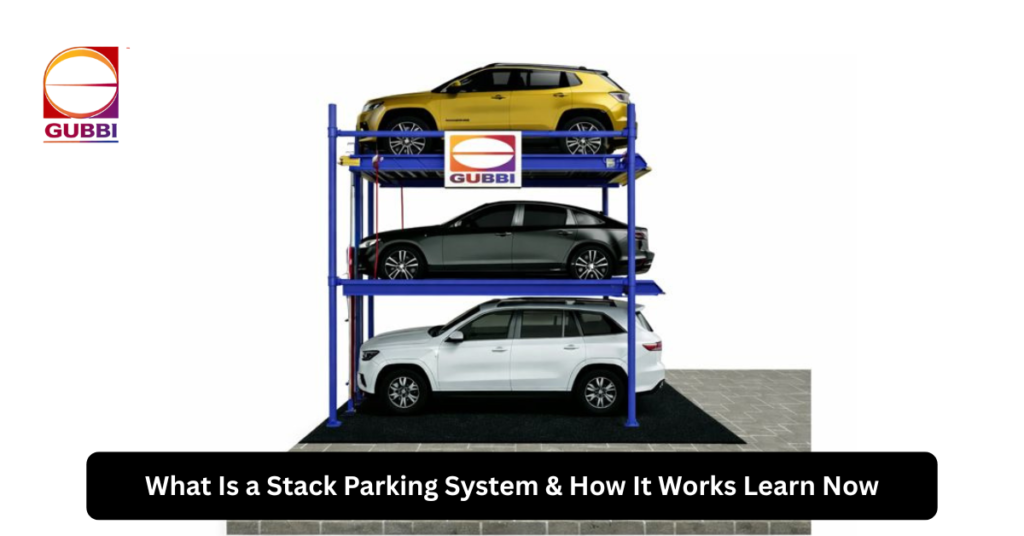
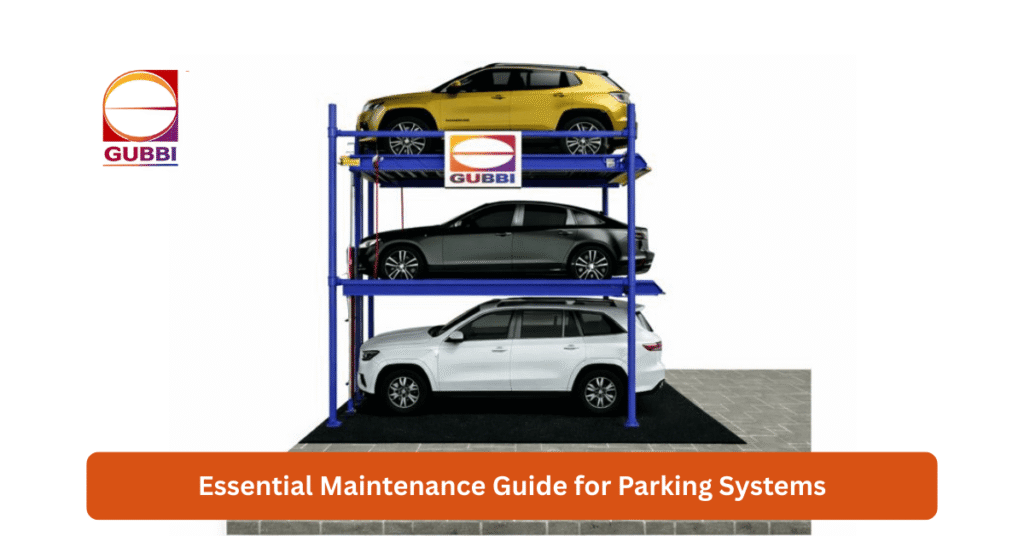
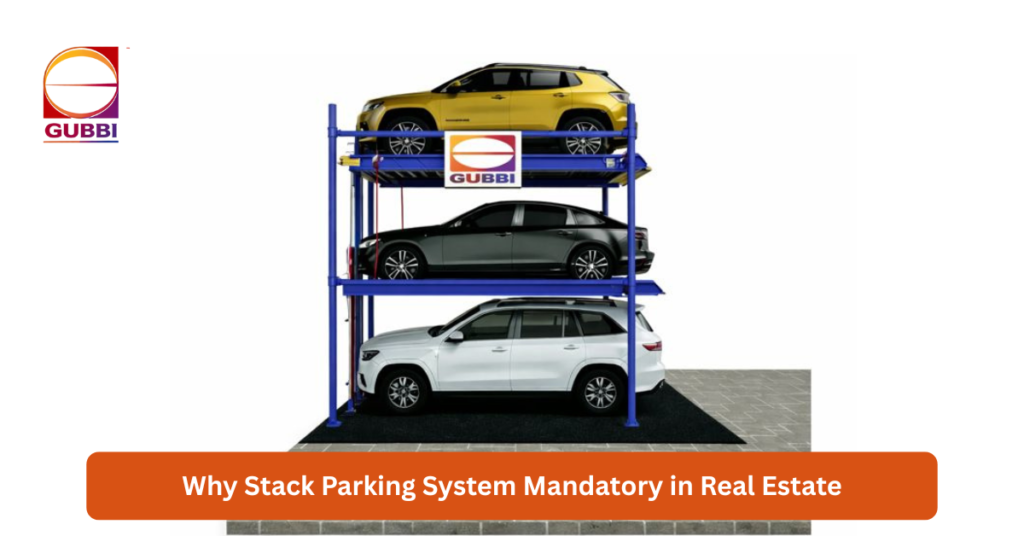
Real estate planning in India has changed rapidly over the last decade. Earlier, parking was treated as an afterthought. However, rising vehicle ownership has reshaped buyer priorities. Consequently, parking convenience now influences purchase decisions directly. Urban land scarcity has further intensified this shift. Developers are forced to think vertically. As a result, the Stack Parking System has emerged as a functional necessity. It responds to space limitations while supporting modern lifestyle expectations. Therefore, parking has evolved from convenience to compliance.
Urban Land Constraints Are Driving Stack Parking System
Indian cities face intense pressure on available land. Plots are shrinking while demand keeps increasing. Meanwhile, floor space index values continue to rise. Traditional parking layouts fail under those constraints. They consume excessive circulation space. They also reduce the usable project area. Hence, vertical solutions are becoming unavoidable. The Stack Parking System allow efficient land usage. It supports higher density without compromising accessibility. Thus, urban development goals remain achievable.
Buyer Expectations Have Redefined Parking Standards
Homebuyers today expect certainty. Parking ambiguity creates long-term disputes. Therefore, guaranteed parking has become essential. Buyers value convenience and protection. They want organised vehicle placement. They also expect weather protection. Additionally, they prefer reduced manoeuvring stress. The Stack Parking System aligns with these expectations. It eliminates unplanned parking behaviour. As a result, projects gain higher buyer confidence.
Saleable Area Increases with Stack Parking System
Every square foot affects profitability. Traditional ramps and basements consume valuable areas. They also increase construction complexity. In contrast, compact vertical parking optimises layouts. It reduces driveway requirements. It also minimises excavation depth. The Stack Parking System improves planning efficiency. Developers gain additional usable areas. Therefore, saleable inventory increases. This directly strengthens project economics.
Regulatory Pressure Is Increasing Across Indian Cities
Approval authorities now scrutinise parking provisions closely. Municipal guidelines are evolving constantly. Fire safety norms also influence design decisions. Parking non-compliance often delays approvals. Thus, developers seek flexible solutions. Vertical parking helps satisfy minimum parking norms. The Stack Parking System supports compact plot approvals. It also aligns with smart city objectives.. Hence, regulatory alignment becomes easier.
Parking Has Become a Powerful Marketing Tool
Modern real estate buyers compare amenities carefully. Parking quality influences perceived project value. Developers highlight innovation to attract attention. Smart parking strengthens project positioning. It signals efficiency and future readiness. The Stack Parking System enhances brand perception indirectly. Buyers project it with premium planning. Consequently, sales cycles shorten. Marketing communication becomes more compelling.
Lifecycle Cost Efficiency Matters More Than Initial Cost
Developers evaluate long-term value now. Basement parking increases structural costs. It also raises ventilation expenses. Drainage maintenance adds further burden. Vertical parking reduces those concerns. The Stack Parking System lowers excavation needs. Operational costs remain predictable. Maintenance planning becomes simpler. Therefore, lifecycle cost efficiency improves significantly.
Sustainability Is Influencing Development Decisions
Environmental responsibility affects approvals and branding. Land optimisation reduces urban sprawl. Efficient parking minimises vehicle idling. This indirectly reduces emissions. Vertical parking supports sustainable construction practices. The Stack Parking System complements green building goals. It supports efficient land utilisation. Developers’ gain: sustainability credentials. Thus, environmental compliance improves.
Parking Is Now Considered a Mandatory Amenity
Market expectancies are clear. Parking inadequacy affects project reputation. Buyers avoid projects with unclear parking solutions. Authorities demand structured planning. Developers face competitive pressure.. The Stack Parking System addresses all these factors. It ensures readiness for future regulations. Projects without it risk obsolescence. Hence, parking has become non-negotiable.
Projects Where Stack Parking System Is Essential
High-rise residential towers demand efficiency. Redevelopment projects face space limitations. Mixed-use developments require flexibility. Compact urban plots need smart planning. Luxury housing demands premium amenities. The Stack Parking System suits these scenarios. It adapts to varying project scales. Design integration remains smooth. Thus, applicability is wide.
Role of Manufacturers and Vendors in Planning
Choosing the right solution matters greatly. Reliable stack parking manufacturers ensure safety compliance. Experienced stack parking support simplifies execution. Early coordination reduces design conflicts. Technical planning improves system performance. Developers should evaluate multiple stack parking options. Vendor expertise influences operational success. Therefore, partner selection is critical.. Long-term reliability depends on this decision.
Future Outlook of Parking in Indian Real Estate
Urban density will continue increasing. Vehicle ownership shows no slowdown. Infrastructure expansion remains constrained.
Therefore, vertical parking adoption will accelerate. Car parking stacking systems will dominate, making planning norms. Stackable parking system concepts will evolve further. Technology integration will improve efficiency. Thus, parking planning will remain strategic. Future projects must adapt proactively.
Parking decisions impact multiple outcomes. They influence approvals, sales, and satisfaction. They also affect long-term usability. The Stack Parking System supports holistic planning. It aligns with urban realities. It enhances buyer confidence. Therefore, parking is no longer optional. It is a core real estate amenity.
Frequently Asked Questions
1. Can parking stack solutions be added to existing buildings?
In many cases, Yes. Structural feasibility must be evaluated first. Retrofitting best in open parking area. Proper planning ensures smooth integration. Therefore, consultation is recommended before execution.
2. Are parking stack systems difficult to maintain?
Maintenance requirements are predictable. Scheduled inspections ensure smooth operation. Modern systems use dependable reliable mechanical components. Vendor supportplays an important role. Hence, maintenance remains manageable over time.
3. Do stack parking solutions improve property value?
Yes. Organised parking improves buyer perception. It reduces disputes within communities. Projects appear better planned and future ready. Therefore, overall property value improves.
Gubbi Stack Parking Solutions is a leading manufacturer of stack parking systems in India. The company delivers efficient, space-optimised parking solutions for residential, commercial, and infrastructure projects.
With a strong focus on safety, durability, and urban usability, their systems support modern parking requirements across Indian cities.
To explore customised parking solutions or project consultations, contact us today.