
Technical Checklist for Integrating Stack Parking System
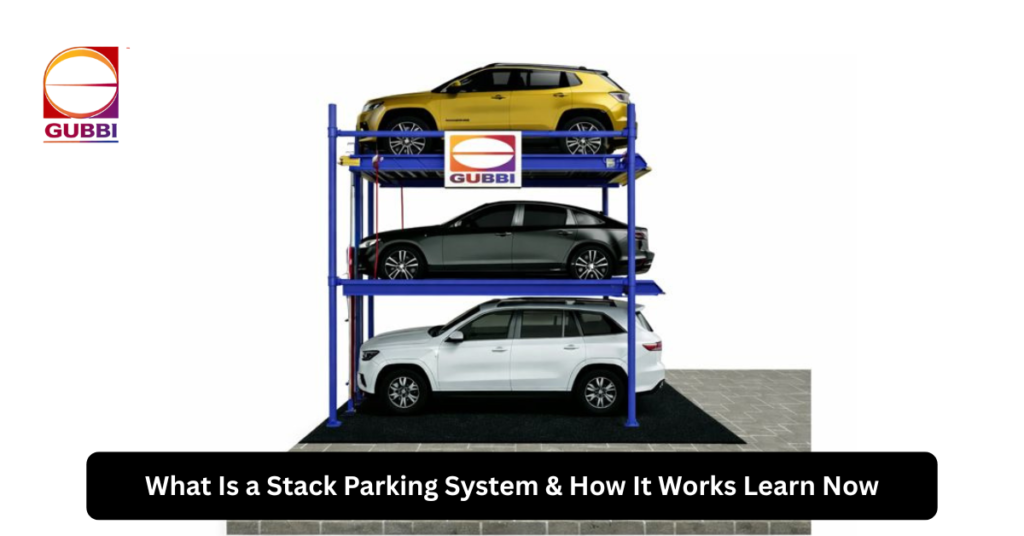
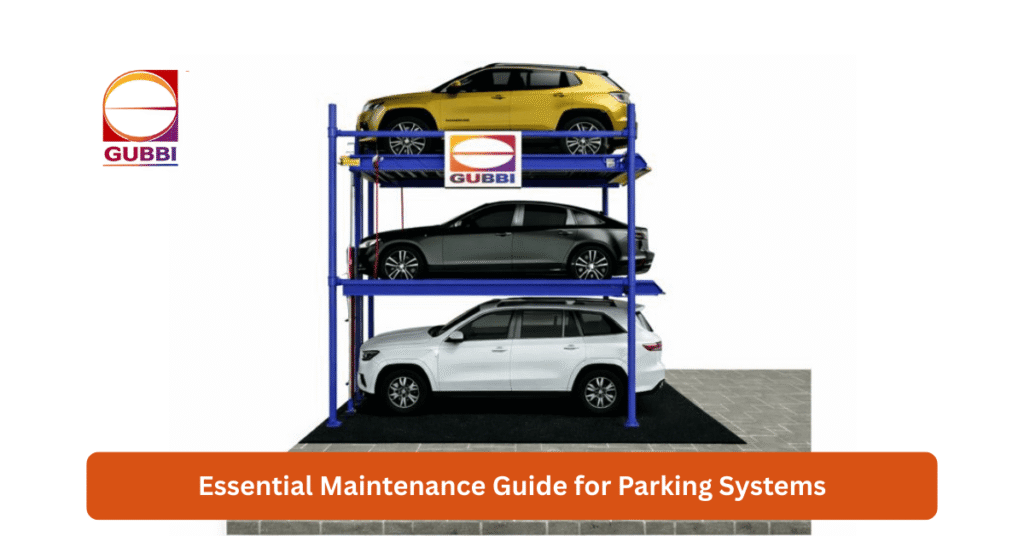
Efficient parking design has become a crucial element in modern real estate, especially in high-density cities like Mumbai, Pune, and Bangalore. As plot sizes shrink and vehicle volumes increase, builders and architects are turning to the stack parking system to maximise parking systems’ capacity without expanding the available footprint.
A well-designed stackable var parking system not only saves space but also ensures smooth traffic flow, safety, and long-term operational efficiency. Successful integration requires a thorough technical checklist from the early design stage. This guide outlines the essential planning, civil, structural, electric, and safety considerations every architect, consultant, and real estate developer must evaluate.
1. Pre-Installation Planning Requirements
Plot Size & Space Assessment
Start with a detailed study of the available area. Ensure the clear width, depth, and height support the selected stack parking system. Consider columns, offsets, and orientations to ensure that the final layout provides smooth movement for SUVs and sedans.
Parking Flow & Traffic Movement
Architects must evaluate the vehicle entry and exit points and natural flow. Turning radius, lane width, and bottleneck identification ensure efficient use of the stackable car parking arrangement, especially during peak hours.
2. Structural Design Requirements
Load-Bearing Capacity
Your structural consultant should calculate the load of the platform, hydraulic system, and maximum vehicle weight. A typical stackable car parking system holds standard and SUV-sized cars, so slab strength must be tested accordingly.
Slab Levelling & Foundation Work
Even the most advanced car parking stacking systems require a properly levelled base. Slabs must have minimal slope deviation so the system functions smoothly and employees can perform safe maintenance.
3. Electrical & Power Supply Needs
Power Load Calculation
Each stack parking system requires a stable power source. Identify whether single-phase or three-phase power is needed and allocate dedicated circuits. Developers should consult the stack parking manufacturers early to calculate the total kW load.
Backup Power Integration
In cities with unpredictable electricity flow, integrating UPS or generators ensures cars can be moved even during outages.
4. Mechanical & Hydraulic Requirements
Hydraulic Cylinder Specifications
Lift capacity, speed, and emergency-lowering features directly impact user experience. High-grade hydraulics ensure longevity and operational safety.
Clear Height Requirements
Standard two-level stackable parking systems demand a minimum clean height. For projects accommodating SUVs, adjust the vertical clearance accordingly.
Pit-Type Requirements (If Applicable)
If using a pit-type system, make sure waterproofing, proper drainage, and floor strength meet the vendor’s specifications.
5. Ventilation, Drainage & Safety Requirements
Ventilation
Basement installations require strong cross-ventilation with exhaust fan and CO sensors positioned strategically. This protects both residents and vehicles.
Drainage & Water Management
Water pooling affects metel components. Floor slopes should direct water away from the machine footprint.
Fire Safety Compliance
Follow local fire norms for extinguishers, hydrants, and smoke alarm installation. All systems must be easily accessible, even during emergencies.
6. Installation Zone Requirements
Machinery Movement Path
Ensure the building allows safe equipment movement—minimum gate width, ramp access, and obstacle-free entry to the installation zone.
Offloading & Assembly Space
Designate areas for storing components before installation. Coordination with the stack parking vendor avoids delays.
7. Post-Installation Safety Checks
Load Testing
Before handover, the system must undergo test lifts using vehicles at full capacity to validate safety locks and stability.
Alignment & Platform Level Check
All platforms should align perfectly, ensuring smooth loading and unloading.
Emergency Controls Testing
Technicians must test manual lowering systems, alarms, and control panel response time.
8. Maintenance Planning Checklist
Service Access
Reserve pathways for technicians to inspect hydraulic lines, control boxes, and mechanical components.
Inspection Frequency
A structured maintenance schedule—monthly, quarterly, and annually—extends equipment lifespan.
Staff Training
Security or maintenance staff must be trained in basic troubleshooting and emergency procedures.
9. Cost Planning & Budget Estimation
Installation Cost Factors
Budget for civil changes, electrical upgrades, ventilation systems, and safety compliance.
Long-Term Costs
Regular lubrication, hydraulic oil replacements, and AMC fees should be included in the project’s operational plan.